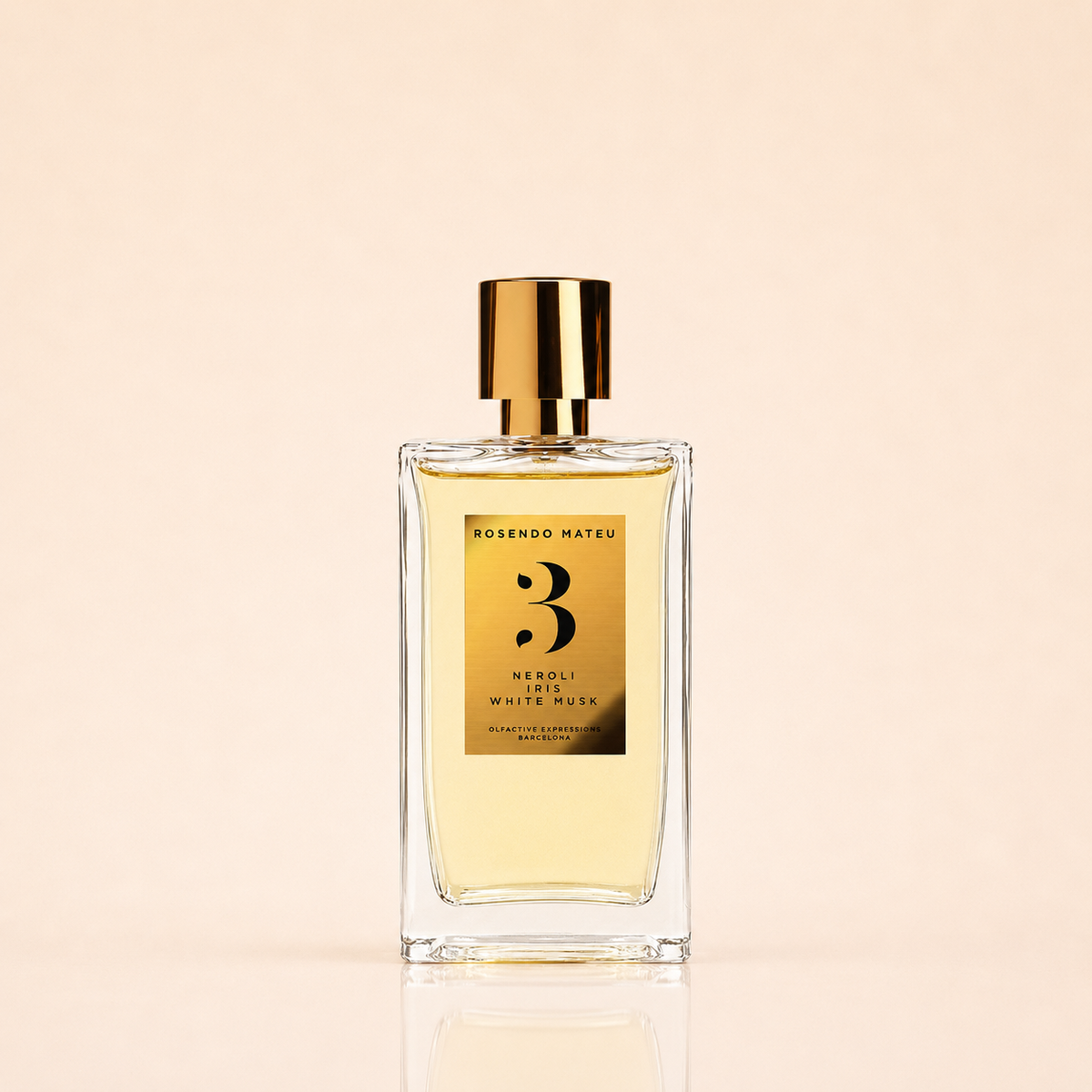
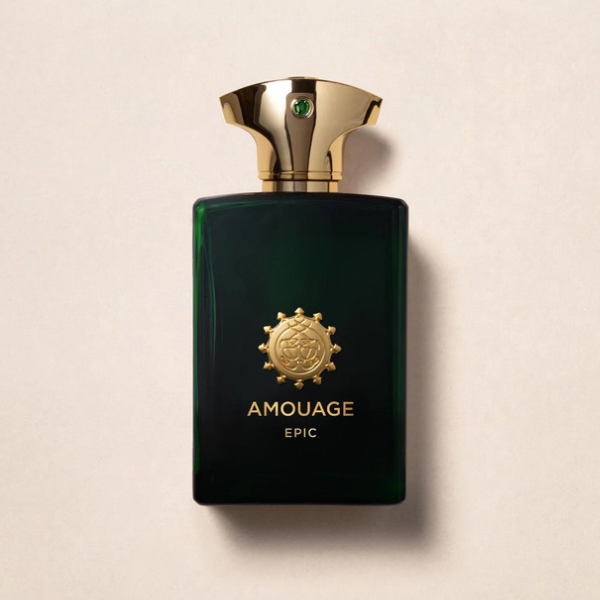
The same fragrance may come in different versions: eau de toilette, eau de parfum or extrait. The main difference lies in the concentration of fragrance materials diluted in alcohol.
The main concentrations
There is no strict legal rule and each house sets its own proportions, but these are common ranges:
- Eau de Cologne: around 2–5%. Very light and fresh, lasting a few hours.
- Eau de toilette (EDT): around 5–15%. Bright and well suited to daytime.
- Eau de parfum (EDP): around 15–20%. A balance between longevity and diffusion.
- Extrait de parfum: around 20–40%. The richest and most persistent.
More concentrated does not mean louder
An extrait lasts longer on the skin, but often diffuses more intimately and closer to the body than an eau de parfum. Longevity also depends on the materials: woods, resins, musk and vanilla last much longer than fast-evaporating citrus notes.
Do they smell the same?
Not always. Perfumers often rework the formula between concentrations. An extrait may be darker, rounder and more focused on the base. Some niche houses offer their creations only as extraits.
Which should you choose?
- For the office or hot weather: an eau de toilette or a light eau de parfum.
- For versatile everyday wear: an eau de parfum.
- For evenings, winter or a lasting signature: an extrait.
You will find each perfume’s concentration on its product page alongside its fragrance pyramid.
Compare compositions in our niche perfume collection or try selected fragrances through our samples.