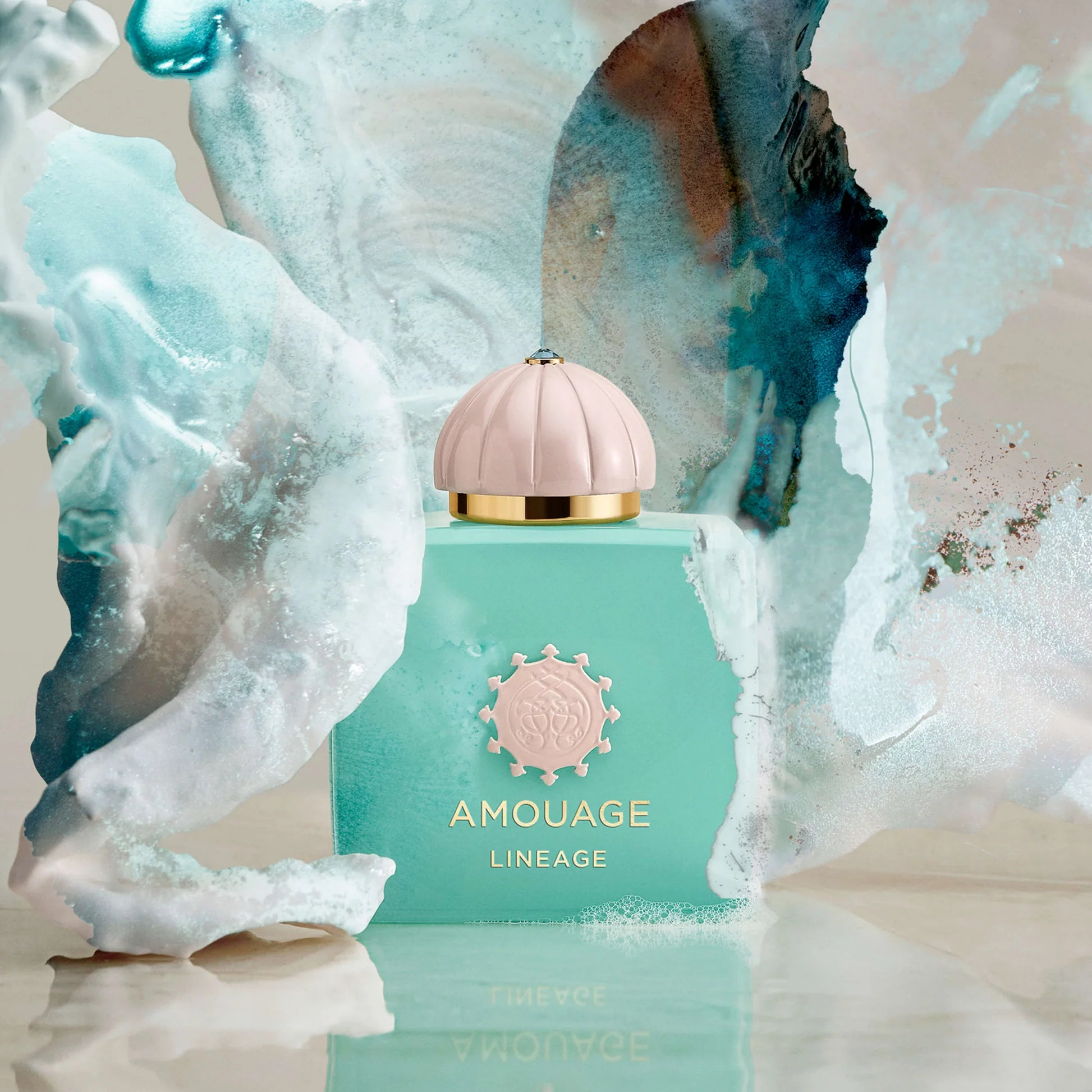
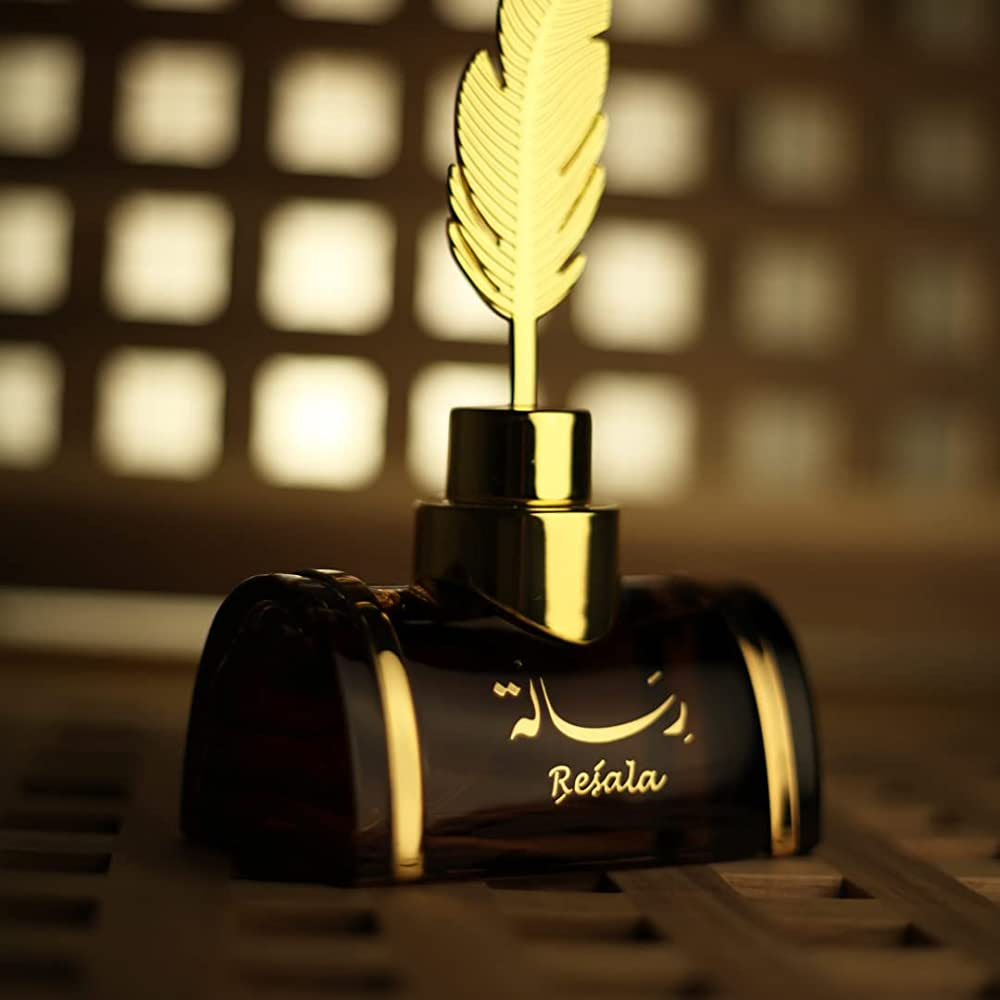
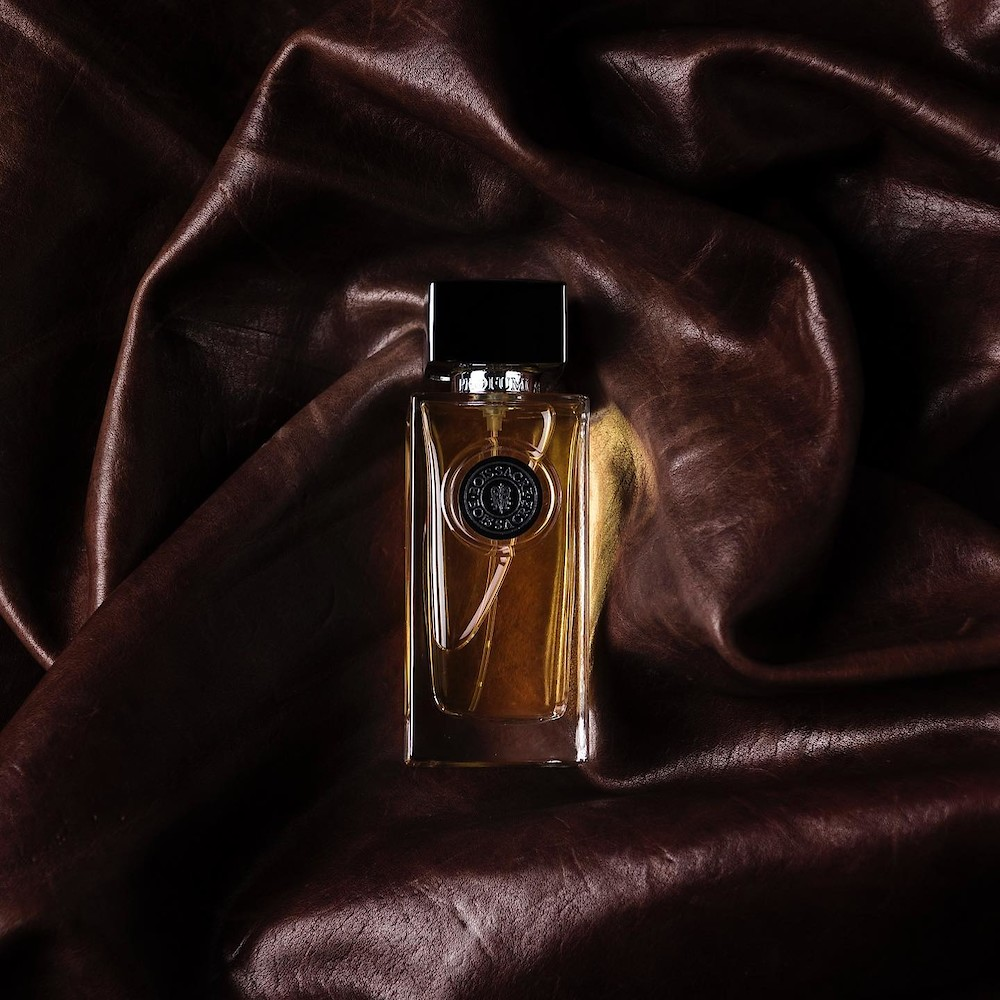

A perfume is more than a list of notes. It can reflect your personality, mood or the image you want to convey. To find a fragrance that feels like you, consider three things together: the scent styles you enjoy, your preferred intensity and the setting in which you will wear it.
1. Start with your fragrance family
Fragrance families offer a useful starting point. Floral perfumes highlight ingredients such as rose, jasmine or tuberose. Woody scents often centre on cedar, sandalwood or vetiver. Amber and oriental perfumes frequently feature spices, resins, vanilla or warm woods. Gourmand scents evoke vanilla, caramel, cocoa or candied fruits, while fresh citrus compositions favour citrus fruits, aromatic herbs and bright notes.
Browse our niche perfume selection to compare these different worlds.
2. Match the perfume to your personality
Understated and elegant
Clean musks, iris, soft woods or airy floral compositions can suit those seeking a refined presence without an overly expressive effect.
Confident and assertive
Powerful woods, leather, spices, oud or amber accords generally lend more character. They suit those who want a recognisable perfume and a distinctive signature.
Radiant and spontaneous
Citrus, exotic fruits, white flowers or marine accords often create a brighter, more dynamic impression.
Sweet and comforting
Vanilla, tonka bean, cocoa, caramel and some fruits can create enveloping compositions. If this appeals to you, read our guide to gourmand perfumes.
3. Adapt your choice to your mood
One perfume will not necessarily suit every desire. For a day when you want freshness, a citrus, aromatic or musky composition may appeal. For an evening or a more assertive mood, woody, amber, spicy or gourmand accords can add depth.
The aim is not to follow a rigid rule, but to identify the ingredients and sensations you naturally want to wear at a particular moment.
4. Always test perfume on your skin
A fragrance develops after application: top notes appear first, followed by the heart and then the base. Perception can also vary with the skin. Avoid deciding after only a few seconds on a paper blotter.
Read our article on the fragrance pyramid to understand this development.
5. Try samples before a bottle
Testing a niche perfume over several hours is particularly useful. A sample lets you assess its development, style and whether you really want to wear it before buying a larger size.
Putting it together
Identify the fragrance families you enjoy, decide on your preferred intensity and test the scent on your skin. If you are still unsure, our complete guide to choosing a niche perfume can help you refine your selection.