Niche perfumes appeal to enthusiasts seeking a stronger olfactory identity, specialist houses and compositions that sometimes depart from mainstream conventions. But the word “niche” alone guarantees neither quality, rarity nor longevity: it mainly describes a different approach to perfumery.
1. Houses often specialising in perfume
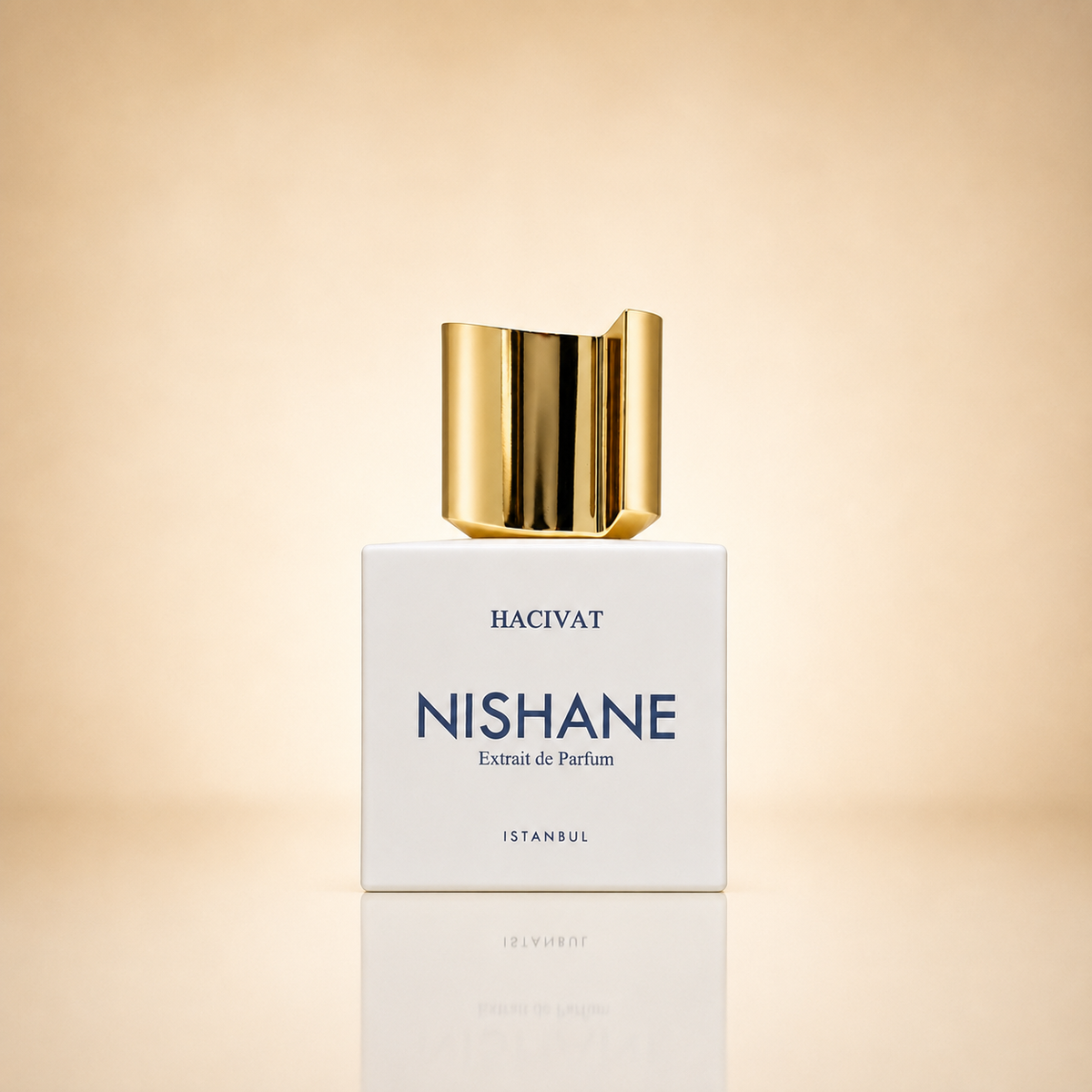
Many niche houses build their identity primarily around perfumery, developing a recognisable universe, artistic direction and coherent collections. Explore our Xerjoff, Nishane, BDK Parfums and Tiziana Terenzi selections.
2. Greater emphasis on a scent signature
Niche perfumery often explores bolder or less conventional accords: oud, iris, leather, incense, tea, milky notes, spices, exotic fruits or gourmand accords. This does not mean all niche perfumes are extravagant; some are very minimalist. The appeal lies above all in their diversity.
3. Varied ingredients and structures
As in all modern perfumery, formulas can combine natural materials with synthetic molecules. Quality depends on the formula, the perfumer’s work and the olfactory result, rather than a simple “natural versus synthetic” distinction.
4. Generally more selective distribution
Niche houses are often distributed through a smaller network of specialist shops and selected retailers. This contributes to their less mainstream image and introduces brands that are less widely available.
5. A wider variety of fragrance families
Explore our collections by style: gourmand, fruity, floral, woody, oriental and fresh perfumes.
6. How do you know if a niche perfume suits you?
Your own taste remains the best guide. Test the perfume on your skin, let it develop for several hours and compare the notes you enjoy. Our fragrance finder can suggest a starting family, and our samples let you try selected fragrances before choosing a bottle.
Browse our complete niche perfume selection to compare houses, notes and sizes.